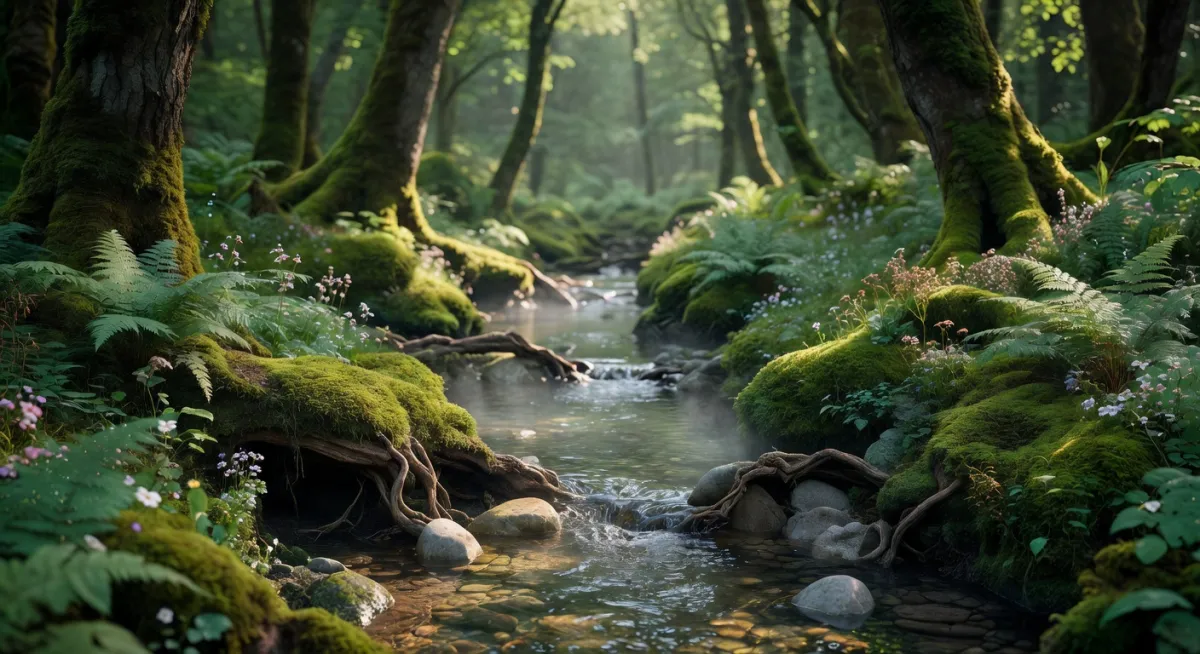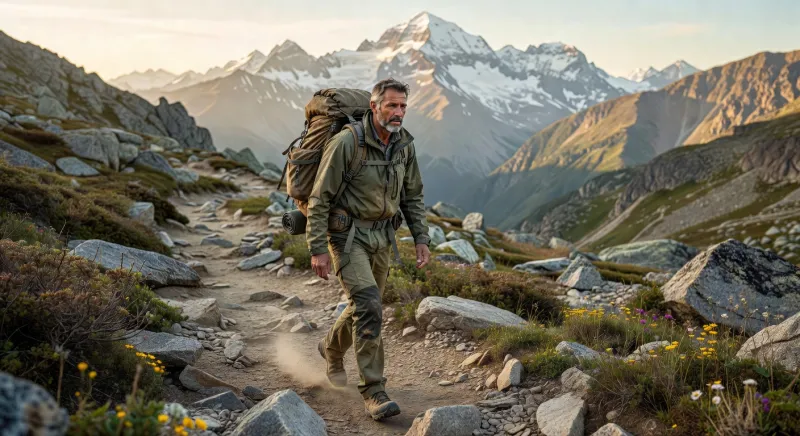
Camping in unspoiled national forests offers travelers a chance to connect with nature in its purest form. These areas remain free from heavy development. Adventure seekers often seek them out for true escapes.
- Research forest rules before arrival to ensure compliance.
- Pack bear-proof containers for food storage at all sites.
- Choose locations with established trails for safe hikes.
- Carry maps and compasses as backup to phone signals.
- Practice leave no trace principles on every visit.
- Check weather forecasts to avoid sudden storms.
- Bring layers of clothing for changing conditions.
Why Travelers Seek Pristine Forest Settings
Seasoned travelers recommend these forests for their quiet trails. The lack of crowds creates space for reflection. Adventure enthusiasts find renewal in untouched woods.
Professionals in this field know that national forests provide vast acreage. Many spots allow dispersed camping under clear rules. This freedom appeals to bucket list enthusiasts planning solo trips.
Travel experts suggest starting with popular entry points. These lead to remote zones with minimal human impact. The result is an authentic connection to the land.
Many visitors return yearly for the same reasons. Forests change with seasons yet stay wild at core. This consistency builds lasting memories for repeat explorers.
💼 Career Opportunities
Preparing for Camping in Unspoiled National Forests
Proper gear makes all the difference in remote areas. Water filters prove essential where sources run clear. Adventure seekers pack lightweight tents for easy carry.
Travel experts suggest testing equipment at home first. This step prevents issues during actual outings. Bucket list enthusiasts value reliability above all else.
Seasoned travelers recommend permits when required by rules. Checking ahead avoids fines and delays at gates. Planning ensures smooth entry into protected zones.
Professionals in this field know fire safety basics well. Campfires need full clearance and constant watch. These habits protect the unspoiled character of forests.
Best US Forests for Adventure Seekers
The Pacific Northwest holds dense stands perfect for exploration. Trails wind through old growth without interruption. Bucket list enthusiasts mark these as must-visit spots.
Rocky Mountain regions offer high elevation challenges. Clear air and distant views reward the effort. Adventure seekers often combine hikes with overnight stays.
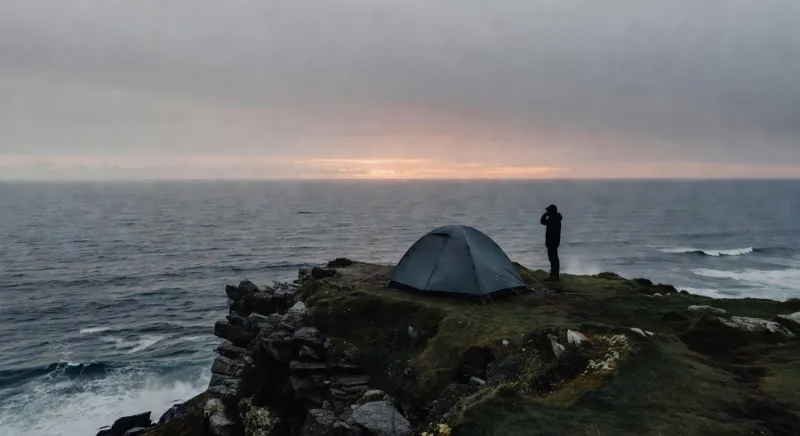
Southern forests provide milder winters for year round use. Dense canopies shield campers from rain and sun. Travel experts suggest these for extended trips.
Midwest woodlands deliver accessible entry for beginners. Quiet lakes add variety to forest stays. Many return to expand their personal lists.
Tips from Lonely Planet on Forest Travel
Lonely Planet highlights the need for navigation skills. Paper backups remain vital in signal dead zones. This advice helps all levels of explorers.
Seasoned travelers recommend gradual skill building over time. Start near roads before moving deeper into woods. Bucket list enthusiasts build confidence this way.
Adventure seekers often join guided groups at first. These outings teach local conditions and safe practices. Later trips become more independent and rewarding.
Travel experts suggest packing extra food and water. Delays happen even with good plans in place. This margin keeps experiences positive throughout.
How Outdoor Adventures Enhance Forest Stays
Outdoor adventures pair naturally with forest camping. Hiking leads to hidden clearings ideal for tents. Fishing adds fresh meals to daily routines.
Professionals in this field know wildlife viewing peaks at dawn. Quiet approaches increase chances of sightings. Bucket list enthusiasts capture these moments carefully.
Travel experts suggest combining activities for full days. Mornings on trails lead to afternoons by streams. Evenings bring stories around safe fires.
Adventure seekers find balance through varied pursuits. Rest mixes with exploration for sustainable pacing. This approach prevents fatigue on longer visits.
Connecting with Hidden Travel Destinations
Hidden travel destinations often lie within these forests. Side paths reveal quiet campsites away from main roads. The discovery adds thrill to every journey.
Seasoned travelers recommend asking rangers for lesser known areas. Local knowledge uncovers spots missed by most maps. Bucket list enthusiasts value these insider tips highly.
Adventure seekers pack extra time for spontaneous finds. Flexibility leads to unexpected highlights along the way. Such moments define memorable wilderness trips.
Travel experts suggest documenting locations for future returns. Notes help recreate successful outings year after year. This habit builds a personal guide over time.
Frequently Asked Questions
What makes camping in unspoiled national forests different from other sites?
These forests feature minimal development and vast open spaces. Campers enjoy solitude without facilities like restrooms or stores. Advance preparation becomes essential for comfort and safety. Rules focus on preserving the natural state for all visitors. Many areas allow dispersed camping under specific guidelines.
How do I find the best spots for camping in unspoiled national forests?
Start with official forest maps and ranger station visits. Online resources from trusted travel sites help narrow choices. Look for trailheads leading to remote clearings. Check recent visitor reports for current conditions. Always verify access roads and permit needs ahead of time.
What gear works best for these remote camping trips?
Lightweight tents and sleeping bags handle varied weather well. Water filters and portable stoves reduce carried weight. Navigation tools like compasses ensure safe returns. Bear resistant containers protect supplies in active zones. Layered clothing adapts to temperature swings throughout the day.
Are permits required for camping in unspoiled national forests?
Some zones need advance permits while others allow free entry. Contact local ranger offices for exact details on each forest. Dispersed sites often follow basic fire and waste rules only. Popular trailheads may limit group sizes during peak seasons. Following these steps prevents issues upon arrival.
What safety steps should travelers take in remote forest areas?
Share detailed plans with contacts before departure each time. Carry first aid kits and extra supplies for delays. Learn basic wildlife encounter responses in advance. Avoid solo travel in unfamiliar sections when possible. Check forecasts and trail conditions regularly during stays.
Final Thoughts
Camping in unspoiled national forests delivers unmatched rewards for dedicated explorers. Proper planning unlocks these pristine US landscapes safely. Adventure seekers gain experiences that last a lifetime.
Bucket list enthusiasts should prioritize these destinations soon. The wilderness awaits those ready to venture out. Start with one trip to build lasting passion for the outdoors.
Discover more options through hidden travel destinations for expanded ideas.