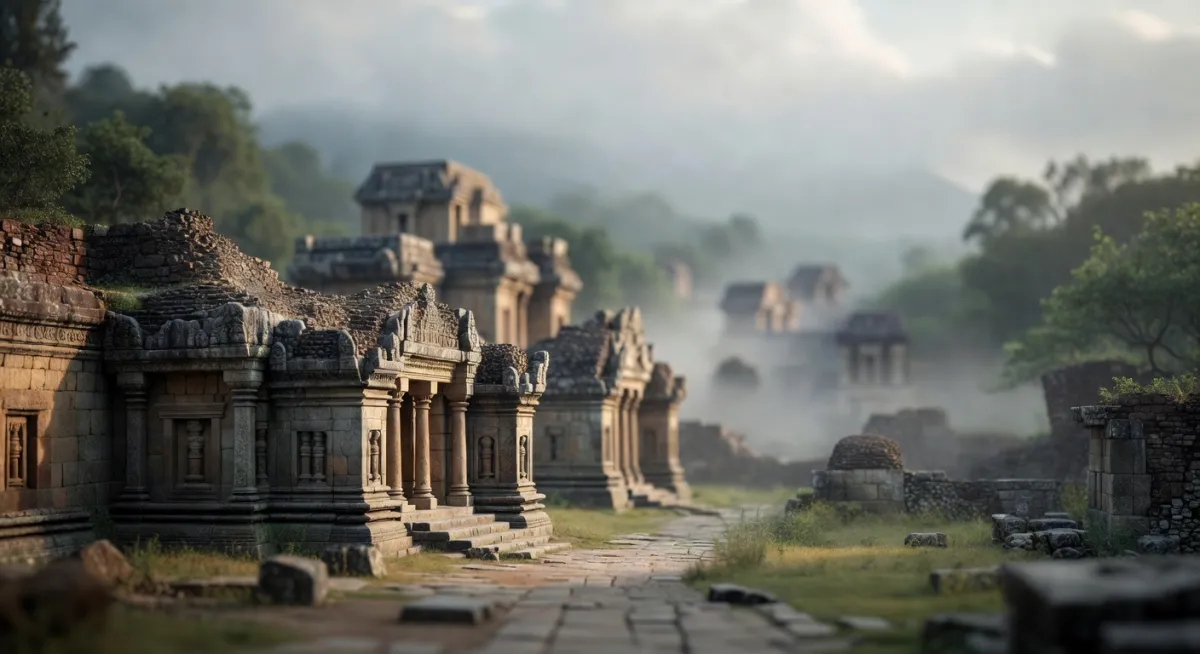
For those with a passion for history and a thirst for adventure, exploring the world's historical landmarks and ancient wonders offers an unparalleled journey through time. These iconic sites, scattered across continents, stand as testaments to human ingenuity, resilience, and creativity. From towering pyramids to sprawling ancient cities, each destination tells a story of civilizations long past, inviting travelers to step into the pages of history.
The allure of these sites lies not only in their architectural marvels but also in the mysteries they hold. Seasoned travelers recommend taking the time to learn about the cultural and historical significance of each location, as it deepens the experience and fosters a greater appreciation for humanity's shared heritage. Whether it's walking through the ruins of an ancient empire or marveling at a structure that has withstood millennia, these destinations are essential additions to any bucket list.
Adventure enthusiasts find that visiting these landmarks often involves more than just sightseeing; it's about connecting with the past and understanding the roots of modern society. This guide delves into some of the most awe-inspiring historical landmarks and ancient wonders around the globe, offering insights into why they deserve a spot on every traveler's itinerary.
- Historical landmarks provide a tangible connection to ancient civilizations, offering insights into their daily lives, beliefs, and achievements.
- Many ancient wonders are architectural marvels, showcasing engineering feats that remain impressive even by modern standards.
- Visiting these sites often involves exploring diverse landscapes, from deserts to mountains, adding an element of adventure to the journey.
- These destinations are often steeped in local culture, providing opportunities to engage with traditions and stories passed down through generations.
- Travel experts suggest planning visits during less crowded seasons to fully appreciate the serenity and grandeur of these historic places.
- Preservation efforts at many landmarks highlight the importance of sustainable tourism to protect these treasures for future generations.
The Great Pyramids of Giza: A Window into Ancient Egypt
Standing on the edge of the Sahara Desert, the Great Pyramids of Giza are among the most iconic historical landmarks in the world. Constructed as tombs for pharaohs, these monumental structures have captivated travelers for centuries with their sheer size and mysterious origins. The largest of the three, the Great Pyramid, is often cited as one of the oldest and most enduring of the ancient wonders, demonstrating the remarkable engineering skills of ancient Egyptians.
Seasoned travelers recommend exploring the surrounding complex, including the enigmatic Sphinx, which guards the pyramids with its lion's body and human head. A visit here offers a glimpse into a civilization that thrived thousands of years ago, with hieroglyphs and artifacts revealing stories of gods, kings, and the afterlife. Adventure enthusiasts find that a guided tour can provide deeper context, unraveling the myths and facts surrounding these ancient structures.
💼 Career Opportunities
Beyond the pyramids themselves, the nearby city offers a vibrant contrast, blending ancient history with modern life. Travel experts suggest allocating at least a full day to fully absorb the magnitude of this site, ensuring time for both exploration and reflection on its historical significance.
Machu Picchu: The Lost City of the Incas
Perched high in the Andes Mountains, Machu Picchu is a breathtaking example of Incan architecture and ingenuity. Often referred to as the "Lost City," this UNESCO World Heritage Site remained hidden from the outside world for centuries before its rediscovery. Its remote location and well-preserved ruins make it a must-see for anyone seeking to explore ancient wonders.
The site's terraced fields, temples, and residential areas offer a window into Incan life, while the surrounding mountain scenery adds a dramatic backdrop. Adventure enthusiasts find that the trek to Machu Picchu, whether via the iconic Inca Trail or alternative routes, is as rewarding as the destination itself. Seasoned travelers recommend booking permits well in advance for the trail, as spots are limited and highly sought after.
Travel experts suggest visiting during the drier months to avoid slippery paths and enjoy clearer views of the surrounding peaks. For those interested in delving deeper into hidden gems of the world, exploring more hidden travel destinations can uncover other lesser-known ancient sites waiting to be discovered.
The Colosseum: Rome's Gladiatorial Arena
In the heart of Rome, the Colosseum stands as a powerful symbol of the Roman Empire's might and architectural prowess. This massive amphitheater, once the stage for gladiatorial contests and public spectacles, draws millions of visitors eager to walk in the footsteps of history. Its partially ruined state only adds to its mystique, offering a poignant reminder of the passage of time.
Seasoned travelers recommend exploring the Colosseum with a knowledgeable guide to uncover details about its construction and the events that took place within its walls. Nearby, the Roman Forum and Palatine Hill provide additional context, painting a fuller picture of ancient Roman life. Adventure enthusiasts find that wandering through these ruins feels like stepping into a different era, where emperors and citizens once gathered.
Travel experts suggest combining a visit to the Colosseum with other historical landmarks in the city, creating a comprehensive journey through Rome's storied past. For those inspired by cultural immersion, further exploration of cultural experiences can enhance the understanding of Italy's rich heritage.
Petra: The Rose-Red City of Jordan
Carved into the pink sandstone cliffs of southern Jordan, Petra is an ancient city that seems to emerge from the desert itself. Known as the "Rose-Red City," this Nabatean masterpiece is a testament to the ingenuity of a civilization that thrived as a trade hub. The iconic Treasury, with its intricate facade, is often the first sight that greets visitors as they emerge from the narrow Siq canyon.
Adventure enthusiasts find that exploring Petra involves more than just admiring its architecture; the surrounding desert landscape offers opportunities for hiking and discovery. Seasoned travelers recommend spending at least two days here to fully appreciate sites like the Monastery and the High Place of Sacrifice, which offer panoramic views of the ancient city. The interplay of history and natural beauty makes Petra a standout on any bucket list.
Travel experts suggest visiting during cooler months to avoid the intense desert heat, ensuring a more comfortable exploration. For additional travel inspiration, resources like Lonely Planet provide detailed guides and tips for navigating this ancient wonder.
Angkor Wat: Cambodia's Architectural Marvel
Angkor Wat, located in the lush jungles of Cambodia, is the largest religious monument in the world and a pinnacle of Khmer architecture. Originally constructed as a Hindu temple before transitioning to a Buddhist site, its intricate carvings and towering spires reflect a deep spiritual significance. This UNESCO World Heritage Site is often considered the crown jewel of Southeast Asia's historical landmarks.
The vast complex of Angkor, which includes numerous other temples like Bayon and Ta Prohm, offers endless opportunities for exploration. Seasoned travelers recommend starting the day at sunrise, when the temple's silhouette against the sky creates a magical atmosphere. Adventure enthusiasts find that navigating the overgrown ruins, with tree roots entwined around ancient stones, adds an element of mystery to the journey.
Travel experts suggest hiring a local guide to gain insight into the temple's history and symbolism, as well as to navigate the sprawling site efficiently. For comprehensive travel planning, platforms like TripAdvisor offer reviews and recommendations from fellow explorers. Additionally, for those seeking a curated list of global landmarks, the book 1000 Places to See Before You Die is an excellent resource to inspire further adventures.
Frequently Asked Questions
What are the most famous historical landmarks in the world?
Some of the most famous historical landmarks include the Great Pyramids of Giza in Egypt, the Colosseum in Italy, and Machu Picchu in Peru. These sites are renowned for their architectural significance and the stories they tell about ancient civilizations. Each offers a unique glimpse into the past, from the engineering feats of the pyramids to the gladiatorial history of the Colosseum. Seasoned travelers recommend prioritizing these iconic destinations for their cultural and historical impact. Travel experts suggest combining visits to these landmarks with nearby attractions to maximize the experience. Exploring their surroundings often reveals additional layers of history and context.
Why are ancient wonders important to visit?
Ancient wonders are important to visit because they provide a direct connection to humanity's past, showcasing the ingenuity and creativity of early civilizations. These sites often serve as cultural touchstones, preserving traditions and stories that shape modern societies. Visiting them fosters a deeper understanding of history and the challenges overcome by ancient peoples. Adventure enthusiasts find that these destinations inspire awe and curiosity, encouraging reflection on the evolution of human achievement. Travel experts suggest engaging with local guides to uncover lesser-known facts about these wonders. Such interactions can transform a simple visit into a profound learning experience.
How can travelers prepare for visiting historical landmarks?
Travelers can prepare for visiting historical landmarks by researching the site's history and cultural significance beforehand to enhance their appreciation. Packing comfortable footwear and weather-appropriate clothing is essential, as many sites involve extensive walking or exposure to the elements. Seasoned travelers recommend checking for any entry requirements, such as permits or guided tour bookings, well in advance. Bringing a notebook or camera to document the journey can also enrich the experience. Travel experts suggest planning visits during off-peak times to avoid crowds and fully immerse in the site's ambiance. Lastly, respecting preservation rules ensures these landmarks remain intact for future generations.
Are there risks associated with visiting ancient sites?
Yes, there can be risks associated with visiting ancient sites, such as uneven terrain, extreme weather, or limited facilities in remote locations. Some sites may involve strenuous hikes or high altitudes, which can pose challenges for unprepared travelers. Adventure enthusiasts find that proper physical preparation and awareness of personal limits are crucial for safety. Travel experts suggest checking travel advisories and local conditions before embarking on a journey. Carrying essentials like water, sunscreen, and a first-aid kit can mitigate potential issues. Respecting site guidelines also helps prevent accidents and preserves the integrity of these historical treasures.
What is the best time to visit historical landmarks?
The best time to visit historical landmarks often depends on the location, but generally, cooler or drier seasons are ideal to avoid extreme heat or rain. For desert sites like Petra, early spring or late fall offers milder temperatures for comfortable exploration. In mountainous regions like Machu Picchu, the dry season ensures safer trekking conditions and better visibility. Seasoned travelers recommend checking local weather patterns and tourist seasons to plan accordingly. Travel experts suggest avoiding peak holiday periods to enjoy a more serene experience at popular sites. Planning ahead can make a significant difference in the overall enjoyment of the visit.
Final Thoughts
Embarking on a journey to explore historical landmarks and ancient wonders is more than just travel; it's a profound connection to the roots of human civilization. These sites, from the towering pyramids of Egypt to the hidden ruins of Machu Picchu, offer endless inspiration and a chance to witness the enduring legacy of past societies. Adventure enthusiasts and history buffs alike will find that each destination holds unique stories waiting to be uncovered. As a next step, start planning a trip to one of these iconic landmarks by researching the best season to visit and booking a guided tour for deeper insights into its history.